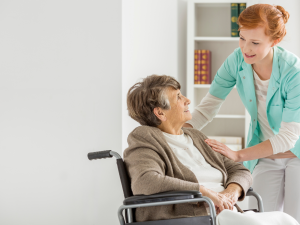
As loved ones age, their needs evolve, often requiring adjustments in the type and level of care they receive. What starts as basic home care—such as assistance with daily activities, light housekeeping, and companionship—may eventually progress to advanced care involving skilled nursing, specialized therapies, or round-the-clock supervision. Understanding when and how to transition from basic home care to advanced care is crucial for ensuring the safety, comfort, and well-being of seniors.
Recognizing the Need for Advanced Care
Transitioning to advanced care is not always a straightforward decision. Families and caregivers should look for the following signs that indicate an increased level of care is necessary:
- Declining Mobility: Increased difficulty with walking, frequent falls, or the need for mobility aids.
- Chronic Health Conditions: Progressive diseases such as Parkinson’s, Alzheimer’s, or heart disease requiring medical intervention.
- Cognitive Decline: Memory loss, confusion, or behavioral changes that impact daily functioning.
- Increased Dependence: Difficulty with personal hygiene, dressing, eating, or managing medications.
- Safety Concerns: Wandering, inability to use appliances safely, or forgetting to turn off stoves or water faucets.
- Caregiver Burnout: When family members or primary caregivers feel overwhelmed or unable to meet increasing demands.
Steps to Transitioning to Advanced Care
Once the need for advanced care is identified, taking a structured approach can help ensure a smooth transition.
1. Assess Current and Future Needs
- Conduct a professional assessment with a physician or geriatric care specialist.
- Evaluate the level of assistance needed for medical, emotional, and daily living support.
2. Explore Advanced Care Options
- In-Home Skilled Nursing: For those who prefer to remain at home, skilled nurses can provide medical care, such as wound treatment and medication management.
- Memory Care Programs: For seniors with dementia or Alzheimer’s, specialized care programs offer structured routines and safety measures.
- Assisted Living or Nursing Homes: If staying at home is no longer safe, transitioning to a senior care facility may be the best option.
3. Modify the Home Environment
- Install safety features like grab bars, non-slip flooring, and stair lifts.
- Arrange for 24/7 care if needed, whether through a family caregiver or professional agency.
4. Communicate and Plan with Family
- Involve the senior in decision-making to ensure they feel heard and respected.
- Have open discussions with family members to distribute caregiving responsibilities.
- Consider financial planning to cover the costs of increased care.
5. Seek Professional Guidance
- Work with home care agencies to develop a customized care plan.
- Consult with elder law attorneys or financial advisors to explore insurance and funding options.
The Importance of Emotional Support
Transitioning to advanced care can be emotionally challenging for seniors and their families. Providing reassurance, encouraging independence where possible, and maintaining social connections can ease the transition. Support groups and counseling services can also be valuable resources.
Conclusion
Recognizing when basic home care is no longer sufficient is vital for ensuring seniors receive the appropriate level of support. By identifying key signs, planning ahead, and seeking professional guidance, families can facilitate a smoother transition to advanced care, promoting a higher quality of life for their loved ones.
For assistance in navigating this transition, contact TLC Caregivers to discuss customized care solutions that fit your loved one’s evolving needs.