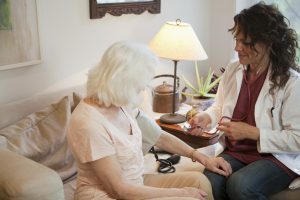
As we age, the risk of falls increases, making it essential to take proactive steps to ensure safety at home. Falls are a leading cause of injury among seniors, often resulting in fractures, hospitalizations, and a decline in overall health. The good news is that many falls can be prevented with simple modifications and lifestyle changes. Here are some effective fall prevention strategies to help keep seniors safe at home.
Common Fall Risks
Understanding the common causes of falls can help in taking the right preventive measures. Some of the most common fall risks include:
- Cluttered Spaces: Unnecessary furniture, cords, and objects can create tripping hazards.
- Poor Lighting: Dimly lit hallways, staircases, and rooms increase the risk of missteps.
- Slippery Floors: Wet or polished floors, especially in bathrooms and kitchens, can cause slips.
- Loose Rugs and Carpets: Unsecured rugs or curled carpet edges can lead to falls.
- Lack of Handrails and Grab Bars: Missing or weak support structures make it difficult for seniors to maintain balance.
- Medications: Some medications cause dizziness or drowsiness, increasing fall risk.
- Weak Muscles and Balance Issues: Reduced muscle strength and poor coordination can make seniors more prone to falling.
Practical Fall Prevention Tips
Making a few changes in the home environment and adopting healthy habits can significantly reduce fall risks. Here are some practical strategies:
1. Modify the Home for Safety
- Remove clutter and ensure walkways are clear of obstacles.
- Install bright lighting and use nightlights in hallways and bathrooms.
- Use non-slip mats in the bathroom and kitchen.
- Secure rugs with double-sided tape or remove them altogether.
- Install sturdy handrails along staircases and grab bars in the bathroom.
- Ensure furniture is stable and avoid using chairs or stools to reach high places.
2. Encourage Safe Footwear
- Wear non-slip, supportive shoes instead of slippers or socks.
- Avoid high heels or loose-fitting shoes that can cause instability.
3. Promote Strength and Balance Exercises
- Engage in activities like Tai Chi, yoga, or gentle strength training to improve balance.
- Encourage regular physical activity to maintain muscle strength and coordination.
- Consider physical therapy for seniors with significant mobility issues.
4. Review Medications
- Consult a doctor or pharmacist to review medications for side effects such as dizziness.
- Be aware of interactions between medications that could impact balance and alertness.
5. Schedule Regular Vision and Hearing Checkups
- Poor vision can make it harder to see obstacles, increasing fall risk.
- Hearing loss can affect balance and spatial awareness.
6. Use Assistive Devices if Needed
- Canes, walkers, and other mobility aids can provide stability and support.
- Ensure that assistive devices are properly fitted and used correctly.
Conclusion
Preventing falls is crucial for maintaining independence and overall well-being for seniors. By identifying common risks and making simple modifications, families and caregivers can create a safer home environment. Regular exercise, proper footwear, and medical checkups also play a vital role in fall prevention. Taking proactive steps today can help seniors enjoy a safer and more comfortable life at home.
For more personalized fall prevention strategies or home safety assessments, contact TLC Caregivers today!