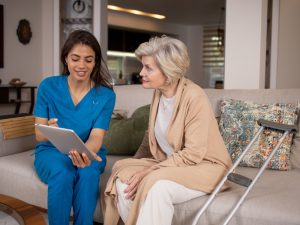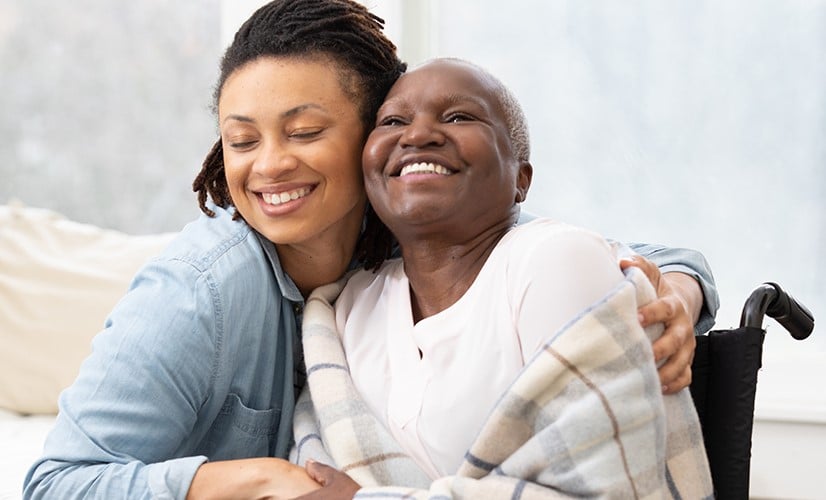
Becoming a senior caregiver is a deeply rewarding yet demanding calling. It’s a profession that requires not only compassion but also a diverse skill set. In 2024, the role of a caregiver has expanded, incorporating technology, specialized training, and a greater emphasis on personalized care. This guide will provide a comprehensive overview of what it means to be a senior caregiver today.
What is a Senior Caregiver and What Are Their Evolving Responsibilities?
A senior caregiver is a professional dedicated to providing personalized support to individuals who require assistance due to age-related challenges, disabilities, or illnesses. In 2024, their responsibilities extend beyond basic ADL assistance to include:
- Personalized Care Planning: Collaborating with healthcare professionals to develop and implement tailored care plans.
- Technology Integration: Utilizing digital tools for medication management, remote monitoring, and cognitive stimulation.
- Holistic Support: Addressing not only physical needs but also emotional, social, and cognitive well-being.
- Specialized Care: Providing care for individuals with specific conditions like Alzheimer’s, Parkinson’s, or post-stroke rehabilitation.
- Advocacy: Communicating with healthcare providers, family members, and other stakeholders to ensure the senior’s needs are met.
- Maintaining accurate and up to date records.
The Multifaceted Benefits of a Caregiving Career in 2024:
- Making a tangible difference in someone’s life.
- Continuous professional development and skill enhancement.
- Building strong, supportive relationships within the caregiving community.
- Increased self-confidence and personal growth.
- Flexible scheduling options and diverse work environments.
- A profound sense of purpose and fulfillment.
- Opportunities to connect with individuals from diverse backgrounds.
- A stable and meaningful career path.
- Increased emotional intelligence.
Navigating the Landscape: Informal vs. Formal Caregiving in 2024:
- Informal Caregivers:
- Continue to be vital, primarily family members and friends.
- Increased recognition of the need for respite care and support resources.
- Growing availability of online resources and training for informal caregivers.
- Formal Caregivers:
- Increasingly professionalized, with emphasis on certification and specialized training.
- Integration of technology and evidence-based practices.
- Clear distinctions between roles like Certified Nursing Assistants (CNAs), Home Health Aides (HHAs), and Licensed Practical Nurses (LPNs).
Types of Formal Caregivers in 2024:
- Licensed Nurses (LPNs/RNs):
- Provide advanced medical care, including medication administration, wound care, and disease management.
- Utilize telehealth and remote monitoring technologies.
- Collaborate with interdisciplinary healthcare teams.
- Certified Nursing Assistants (CNAs) and Home Health Aides (HHAs):
- Focus on ADL assistance, companionship, and basic health monitoring.
- Increasingly trained in specialized areas like dementia care and fall prevention.
- Utilize assistive technologies to enhance safety and independence.
Embarking on a Formal Caregiving Career in 2024:
- Complete accredited training programs and obtain necessary certifications.
- Specialize in areas of interest, such as dementia care or geriatric care.
- Utilize online job boards and professional networking to find employment.
- Prioritize agencies that offer ongoing training and support.
- Stay up to date on new technology, and care techniques.
The Future of Caregiving: A Commitment to Excellence:
In 2024, senior caregiving is a profession that demands both compassion and expertise. By embracing technology, pursuing continuous education, and prioritizing person-centered care, caregivers can make a profound impact on the lives of seniors and their families.
TLC Caregivers: Empowering Compassionate Professionals:
We are dedicated to providing comprehensive training, a supportive work environment, and opportunities for career advancement. Join us in making a difference in the lives of seniors.